How to Make Your Home Feel Like a Retreat: A Guide to Designing a Relaxing Space
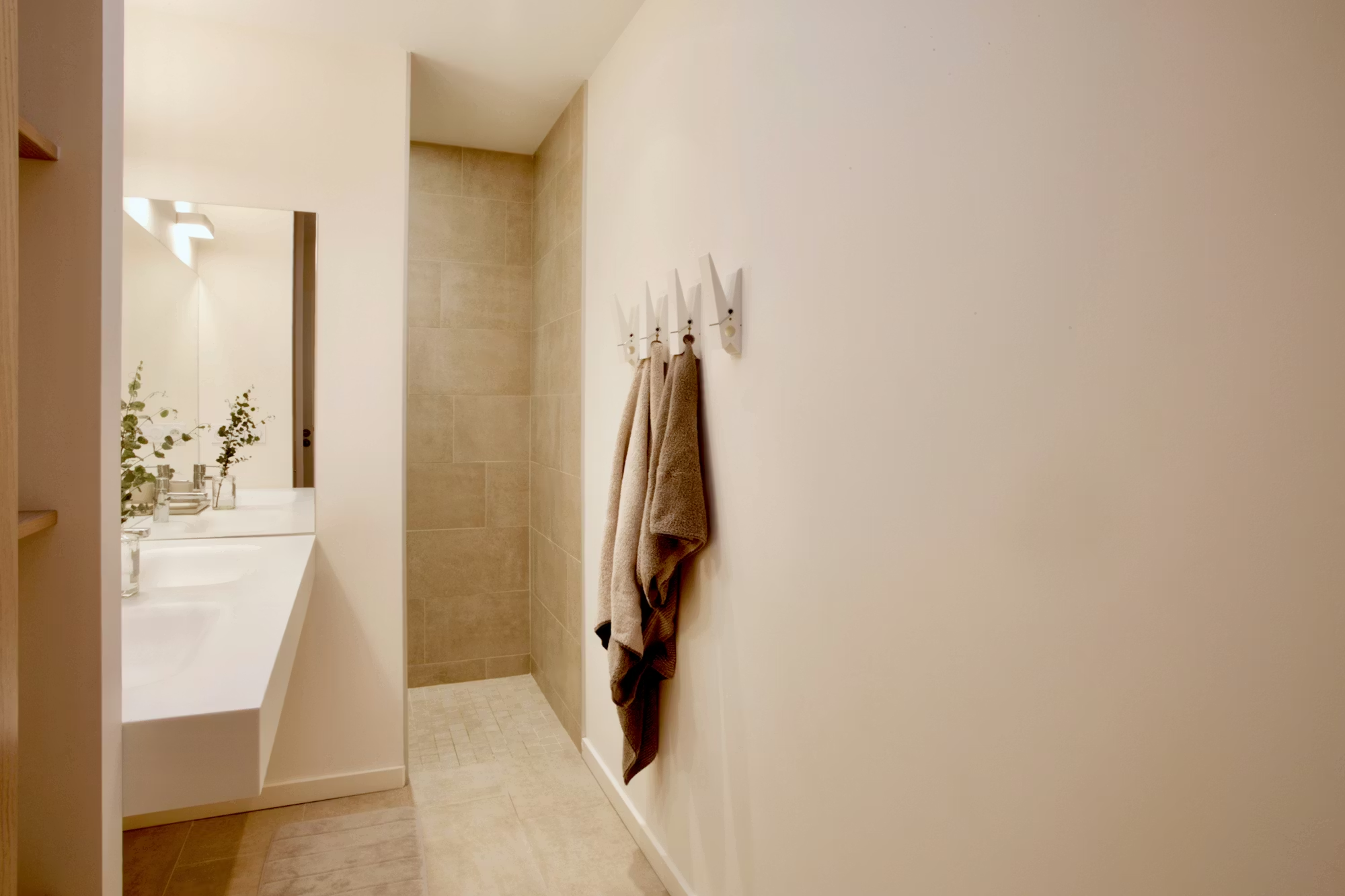
Creating a peaceful retreat at home is one of the most rewarding projects you can undertake. In today’s fast-paced world, having a space to unwind, recharge, and escape from the hustle and bustle of daily life is more important than ever. Whether you live in a small apartment or a spacious house, you can turn any space into a soothing sanctuary by paying attention to a few key elements of design and décor. This guide will provide you with practical advice on how to design a relaxing and rejuvenating environment that will help you feel calm and refreshed every day.
1. Start with a Calming Color Palette
The foundation of any peaceful home retreat begins with color. Colors have a psychological impact on our mood and emotions, so choosing the right palette is essential in creating a serene atmosphere. When designing a calming space, opt for soft, neutral tones, such as pale blues, gentle greens, and muted grays. These colors are known to have a calming effect and help reduce stress. Earth tones, like warm beige, soft taupe, and natural browns, also create a sense of tranquility and connection to nature.
Why Soft Colors Matter: Light colors reflect more natural light, which can make a room feel airy and open. Additionally, soft hues are less stimulating, which promotes relaxation. A monochromatic color scheme, where different shades of one color are used throughout the space, can help create a cohesive and peaceful ambiance.
If you prefer something a little bolder, you can incorporate accent walls in deeper shades, such as rich navy or forest green. However, it’s important to balance darker hues with lighter ones to prevent the room from feeling too heavy or enclosed.
2. Focus on Comfort with Cozy Textures
Once you’ve chosen your color palette, it’s time to think about how your space feels. Comfort is key to creating a relaxing environment. Textures play an important role in how a room feels, and adding layers of soft, tactile materials can instantly transform a room into a cozy retreat.
Soft Fabrics: Incorporating plush materials like velvet, cotton, and linen into your furniture and accessories will make your home feel inviting and warm. Choose soft throw blankets, cushy pillows, and cozy area rugs to add texture to your living spaces. These elements will not only make your home look more welcoming but also provide a physical sense of comfort that encourages relaxation.
Layering Textures: The key to creating a balanced and serene atmosphere is layering different textures. A soft velvet sofa, combined with a wool throw blanket, a silk pillow, and a cotton rug, will make the space feel inviting. Experiment with different materials and weights to create a sense of depth in your room.
Natural Elements: Bringing in natural elements like wood, stone, and plants can also contribute to a calming environment. Wood furniture, whether in the form of a sturdy coffee table or a simple side chair, adds warmth and texture to a space. Similarly, stone accents, such as a marble countertop or a stone fireplace, evoke a sense of timelessness and earthiness.
3. Lighting for a Relaxing Atmosphere
Lighting is one of the most powerful tools you can use to set the mood in your home. Harsh, overhead lighting can be jarring and stressful, while soft, ambient lighting can make a room feel warm, inviting, and peaceful. The key to a relaxing home retreat is to layer lighting and create multiple light sources throughout the space.
Ambient Lighting: Start with ambient lighting, such as overhead ceiling lights or floor lamps. Choose fixtures with dimming options so that you can adjust the brightness depending on the time of day or the mood you want to create. Soft, warm light is ideal for creating a relaxing atmosphere, so opt for bulbs with a warm tone (2700K to 3000K).
Task Lighting: Incorporate task lighting where necessary, such as reading lamps or desk lights. These should be directed and focused on specific areas where you need extra light, such as a reading nook or workspace. Choose task lighting that is adjustable so you can direct the light where you need it most.
Accent Lighting: Add accent lighting in the form of candles, string lights, or decorative lamps to provide a soft, ambient glow. Scented candles can also add an aromatic element to your space, further enhancing the peaceful ambiance.
Natural Light: Letting in natural light is another essential element of a relaxing home retreat. Maximize the amount of natural light in your space by using light, sheer curtains or blinds that allow the sunlight to pour in. Consider placing mirrors across from windows to reflect light and make the room feel brighter and more open.
4. Incorporating Nature into Your Space
Nature has a calming and restorative effect on the mind, and incorporating natural elements into your home can help you create a peaceful retreat. Whether it’s through plants, natural materials, or views of the outdoors, connecting with nature can elevate the atmosphere in your home.
Indoor Plants: Adding plants to your home not only enhances the aesthetic but also improves air quality. Studies show that indoor plants can reduce stress and increase feelings of well-being. Choose low-maintenance plants like succulents, snake plants, or peace lilies if you’re new to indoor gardening.
Natural Materials: As mentioned earlier, natural materials like wood, stone, and bamboo can evoke feelings of calm. Consider incorporating these materials into your furniture, flooring, or decorative accents. A wooden coffee table, a stone vase, or a bamboo curtain rod can all bring the outdoors inside and create a harmonious, balanced space.
Views of Nature: If possible, position your furniture near windows that offer views of your garden, a park, or the natural world. Research shows that natural views can reduce stress levels and improve overall well-being. If your view isn’t ideal, consider adding a nature-inspired mural or art piece to bring the outdoors in.
5. Creating a Relaxing Bedroom Retreat
Your bedroom is one of the most important spaces to focus on when creating a relaxing home retreat. A peaceful and comfortable bedroom is essential for restful sleep and relaxation.
Comfortable Bedding: The foundation of a relaxing bedroom is comfortable bedding. Invest in high-quality sheets made of soft, breathable fabrics like cotton, linen, or bamboo. Opt for neutral-colored bedding that complements your overall room décor, and layer the bed with cozy blankets, throws, and pillows for extra comfort.
Lighting: As with the rest of your home, lighting in the bedroom plays a significant role in creating a peaceful environment. Use soft, ambient lighting with dimmable options and place bedside lamps for reading. A soft, warm glow will help you unwind in the evening and prepare for restful sleep.
Declutter the Space: A cluttered bedroom can lead to a cluttered mind. Keep your bedroom tidy by minimizing the number of items on your nightstands and dresser. Opt for furniture with built-in storage to keep things organized, and make a habit of keeping the space neat and clean.
Create a Reading Nook: If space allows, consider adding a cozy reading nook by a window. A comfortable chair, a soft blanket, and good lighting can create a peaceful spot for you to escape with a good book or simply relax.
6. The Power of Scent
Scent is another powerful tool you can use to enhance the calming atmosphere of your home. Aromatherapy has long been known for its therapeutic benefits, and the right scents can help reduce stress and promote relaxation.
Essential Oils: Essential oils, such as lavender, eucalyptus, or chamomile, are known for their calming properties. You can use an essential oil diffuser to disperse these scents throughout your home or apply them topically to your skin.
Candles: Scented candles not only provide a soft, flickering glow but also fill your home with soothing aromas. Choose candles made from natural waxes like soy or beeswax for a cleaner burn, and opt for scents that promote relaxation, such as sandalwood, jasmine, or vanilla.
Fresh Flowers: Fresh flowers, such as lavender, jasmine, or roses, can add a delightful natural fragrance to your space. Place a vase of flowers on your coffee table or bedside table to fill the room with a gentle scent that promotes calm.
7. Conclusion
Designing a relaxing home retreat is all about creating a space that promotes comfort, tranquility, and relaxation. By focusing on calming colors, cozy textures, layered lighting, and natural elements, you can turn any space into an oasis of peace. Whether it’s your living room, bedroom, or home office, each room can be transformed into a sanctuary that helps you unwind and recharge. By carefully selecting furniture, lighting, and décor, and incorporating natural elements, you’ll create a space that supports both your mental well-being and physical comfort.
Start small and incorporate changes gradually—soon enough, your home will become a haven of relaxation that you look forward to returning to each day.